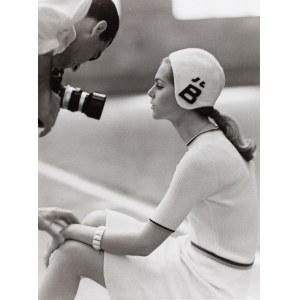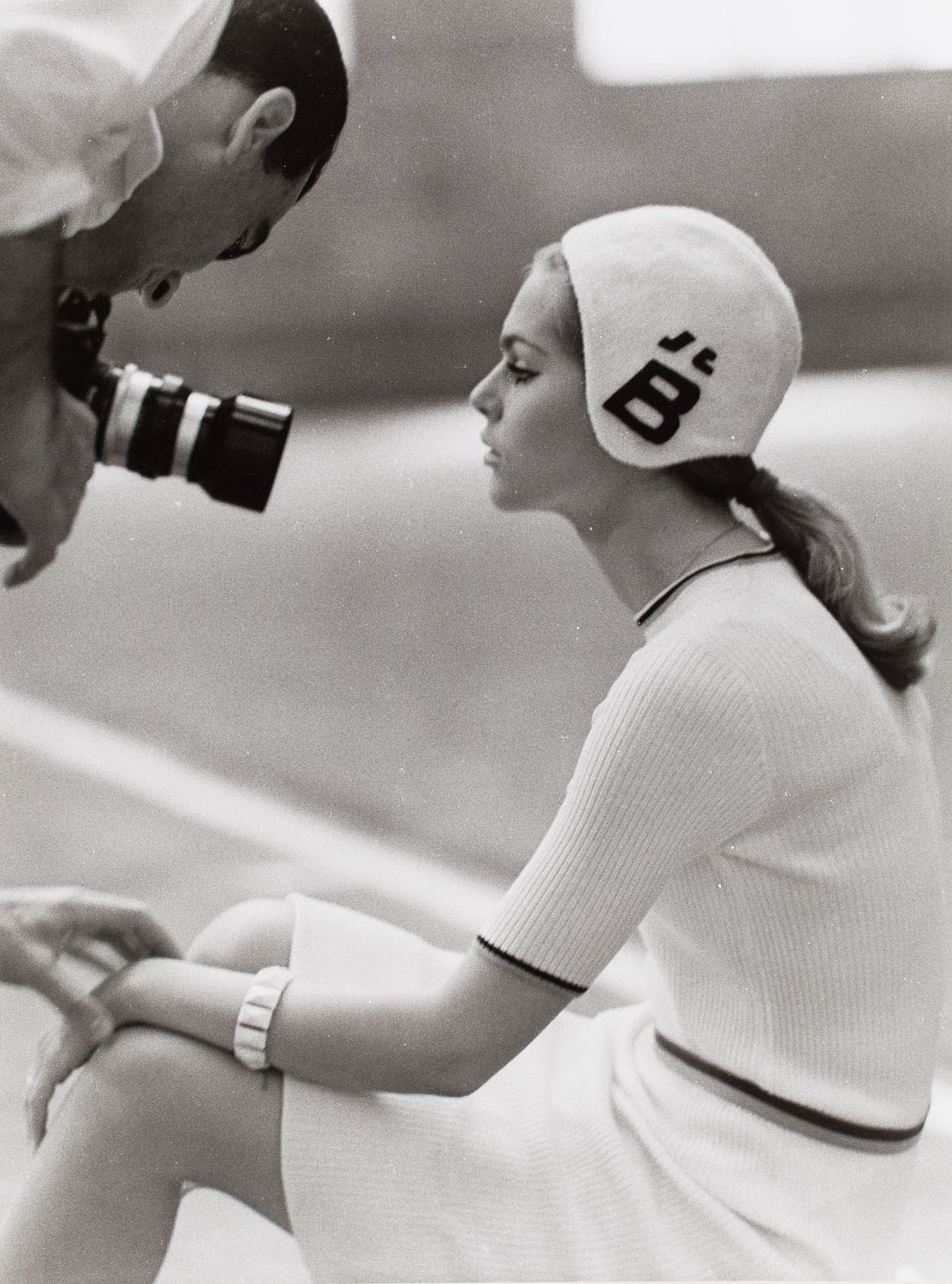
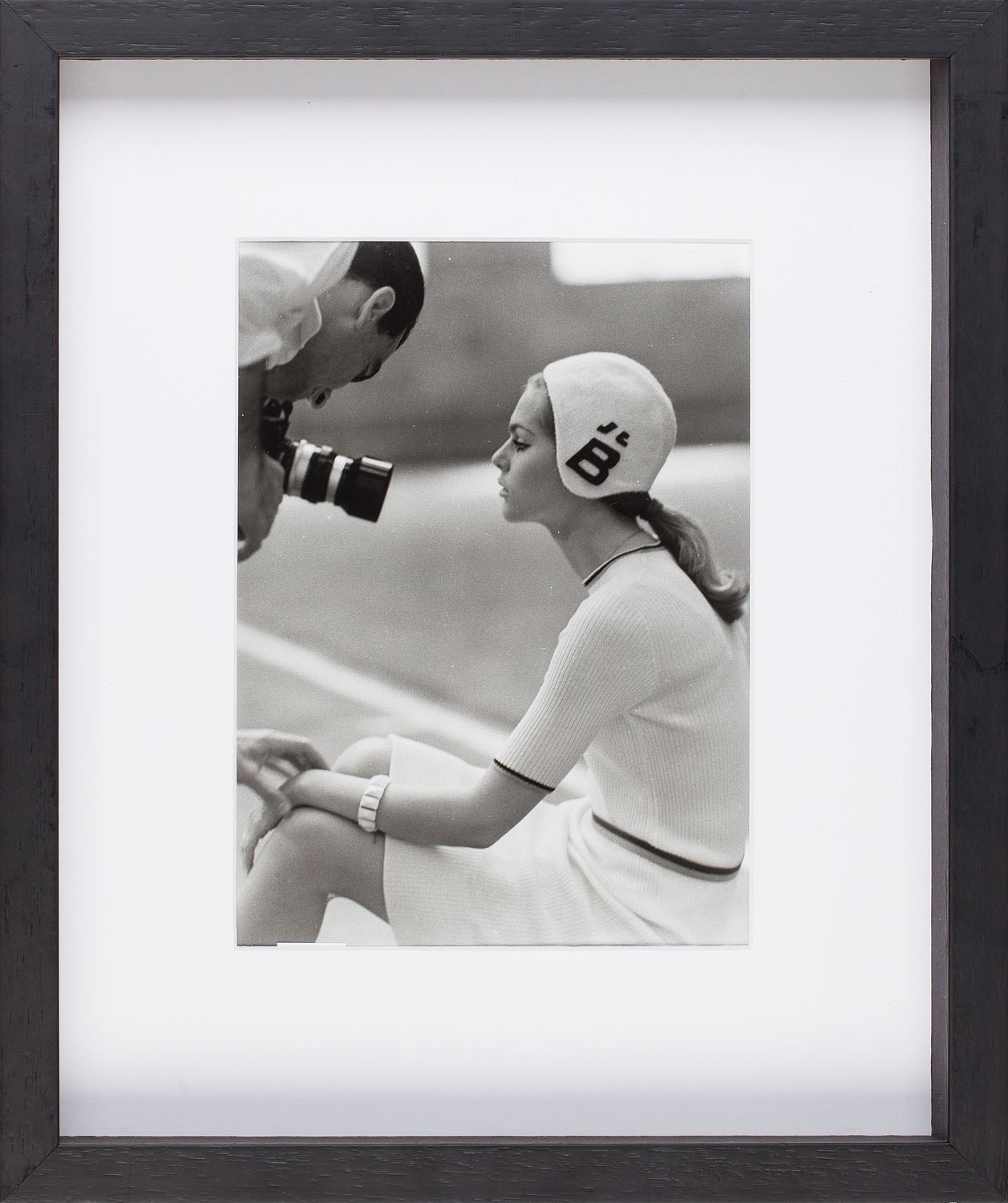
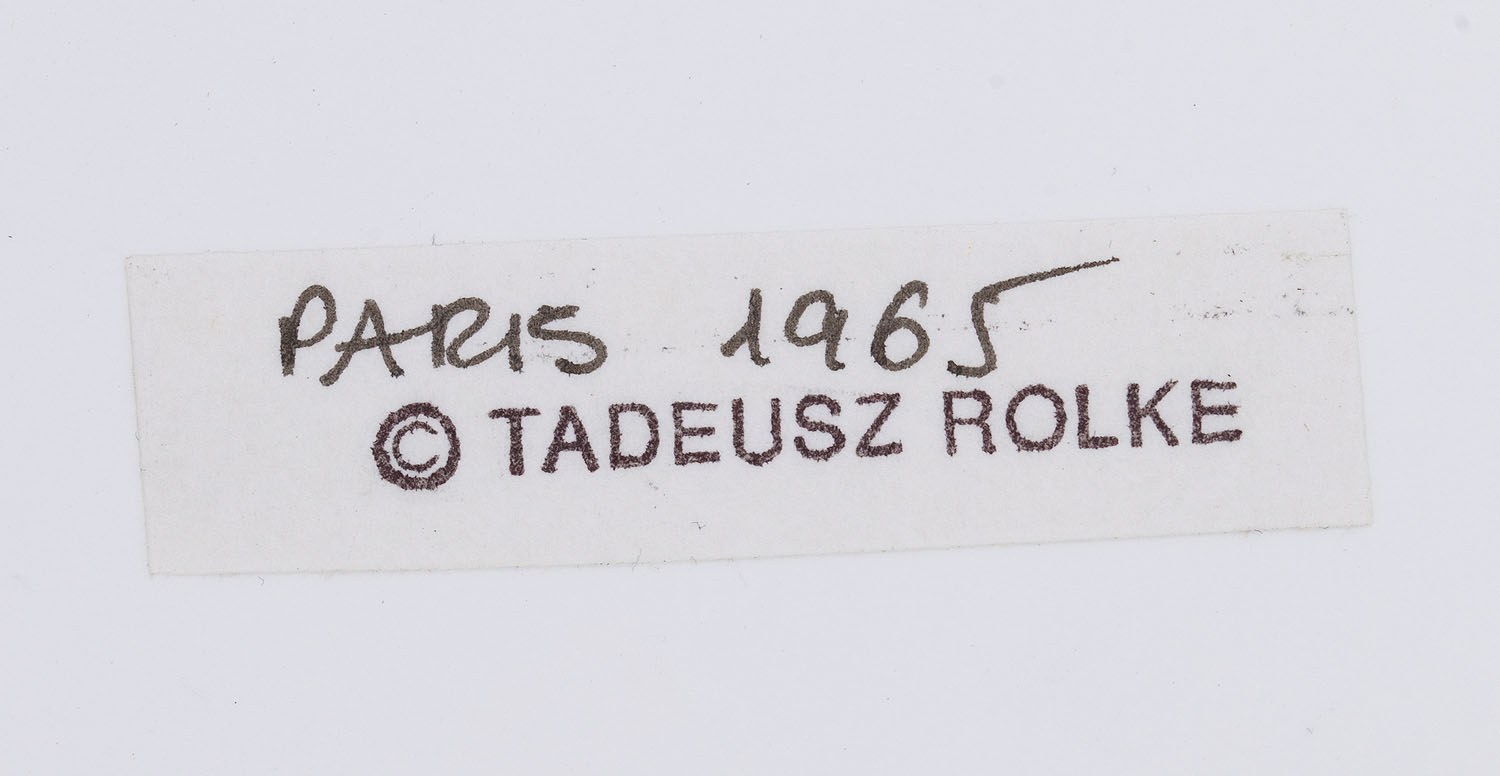
Dimensions: 23 x 16.5 cm
dated and described on the sticker on the reverse: 'PARIS 1965'
on the reverse the artist's sticker
lifetime print
Biography
Considered a forerunner of Polish reportage photography, he became interested in photography as a teenager. He developed a passion by buying and browsing through the then excellent quality photographs from German wartime magazines. For the first years of photography, he was accompanied by low-quality Kodak BabyBox equipment, through which, as the artist himself used to say, the photos came out "as if someone was taking them through four foggy panes of glass" (Artists Speak, Interviews with Masters of Photography, Hanna Maria Giza, Warsaw, 2011). His first surviving photographs, the quality of which leaves much to be desired, date from 1944. After the war, he studied art history at the Catholic University of Lublin and the University of Warsaw. Meanwhile, convicted of attempting to overthrow the regime, he was sent to prison. After his early release under an amnesty, he worked as a worker in the photo-technical laboratory at the Polish Optical Works, later as an employee of the Slide Works. During the period of the thaw, he began working with "Stolica" with the task of refreshing the image of the magazine, which formerly, under the name "Skarpa," dealt with issues related to the reconstruction of postwar Warsaw. He also worked for the magazines "Polska", "Świat", "Ty i Ja", "Przekrój". In 1970 he emigrated to Germany, where he spent ten years, during which time he established cooperation with the magazines "Stern," "Der Spiegel," "Die Zeit" and "Art." In 1980 he returned permanently to Poland. Rolke is known for his documentation of artistic life, Jewish subjects, but mainly for his reportages, which he worked on during the first photographs he took. Tadeusz Rolke is an active artist, a member of the Union of Polish Art Photographers and a lecturer at the Warsaw School of Photography.