


Jan Chwałczyk (1924–2018) studied at the State Higher School of Fine Arts in Wrocław (now the Academy of Fine Arts) from 1946 to 1951. In 1950, he married his college classmate, Wanda Gołkowska (1925–2013), who later became a prominent artist in the fields of minimal art and op art. From his early student years, Jan Chwałczyk’s creative approach and body of work were characterized by rational art and an investigative approach through art. The artist was interested in optical phenomena and the environment in which they arise. He paid particular attention to the relationship between light, color, and form that constitute a work of art. In addition to drawings, paintings, and reliefs, he created structural works known as “light and shadow reproducers.” Jan Chwałczyk was also an activist in Wrocław’s art community. Together with his wife, W. Gołkowska, he initiated numerous artistic projects, including the establishment of the “Pod Moną Lisą” gallery; he was also a member of the Wrocław Group, founded on the initiative of Prof. Eugeniusz Geppert in 1961. He participated in the most important meetings and symposia on avant-garde art in the People’s Republic of Poland, often initiating these events or playing a key role as an organizer. He participated, among other events, in the Koszalin Open-Air Workshops in Osieki in the 1960s, the “Golden Grape” Symposium in Zielona Góra (1971), and, from 1984 to 2005, in the Open-Air Workshops for Artists Using the Language of Geometry organized by Dr. Bożena Kowalska.
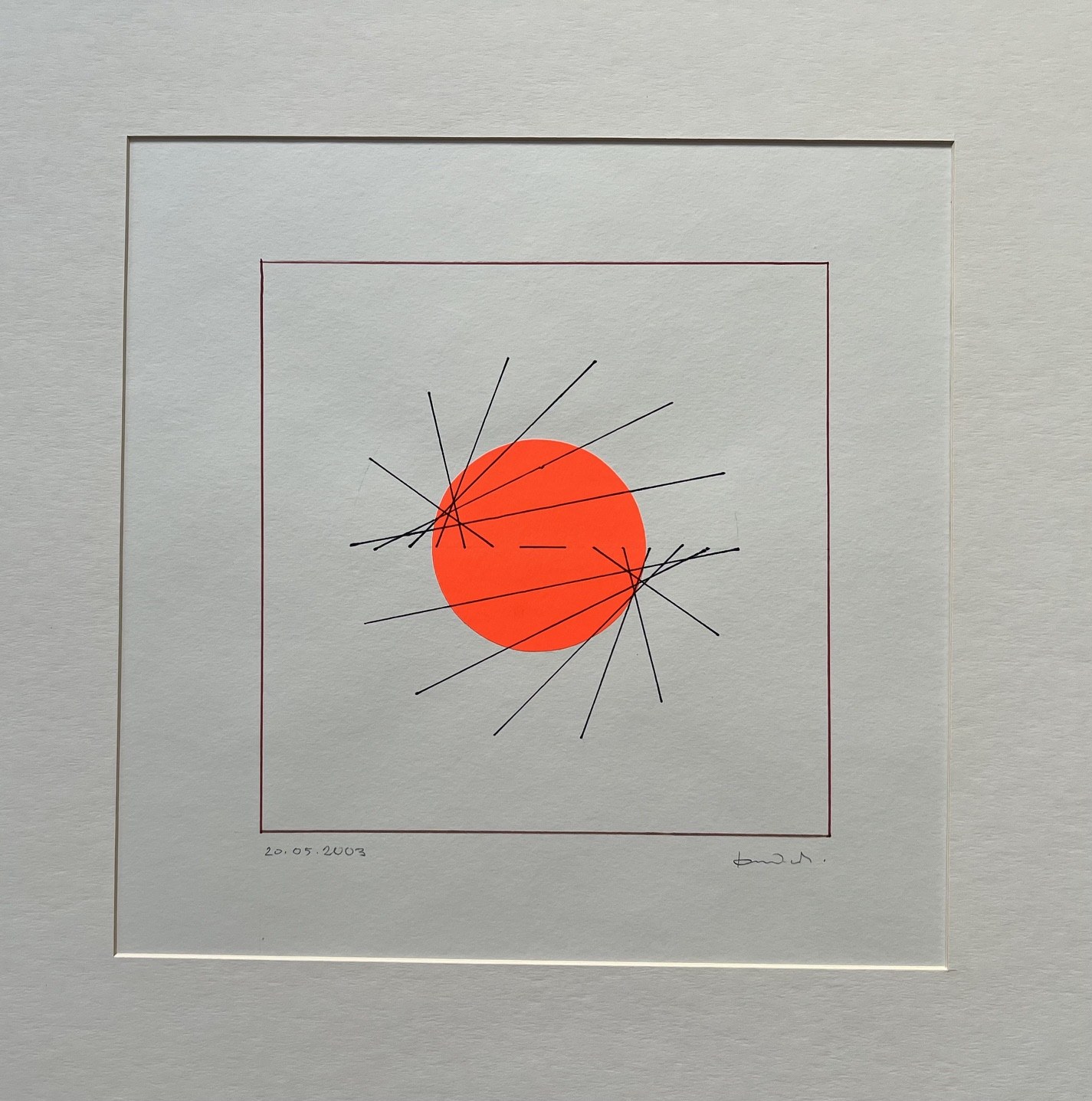
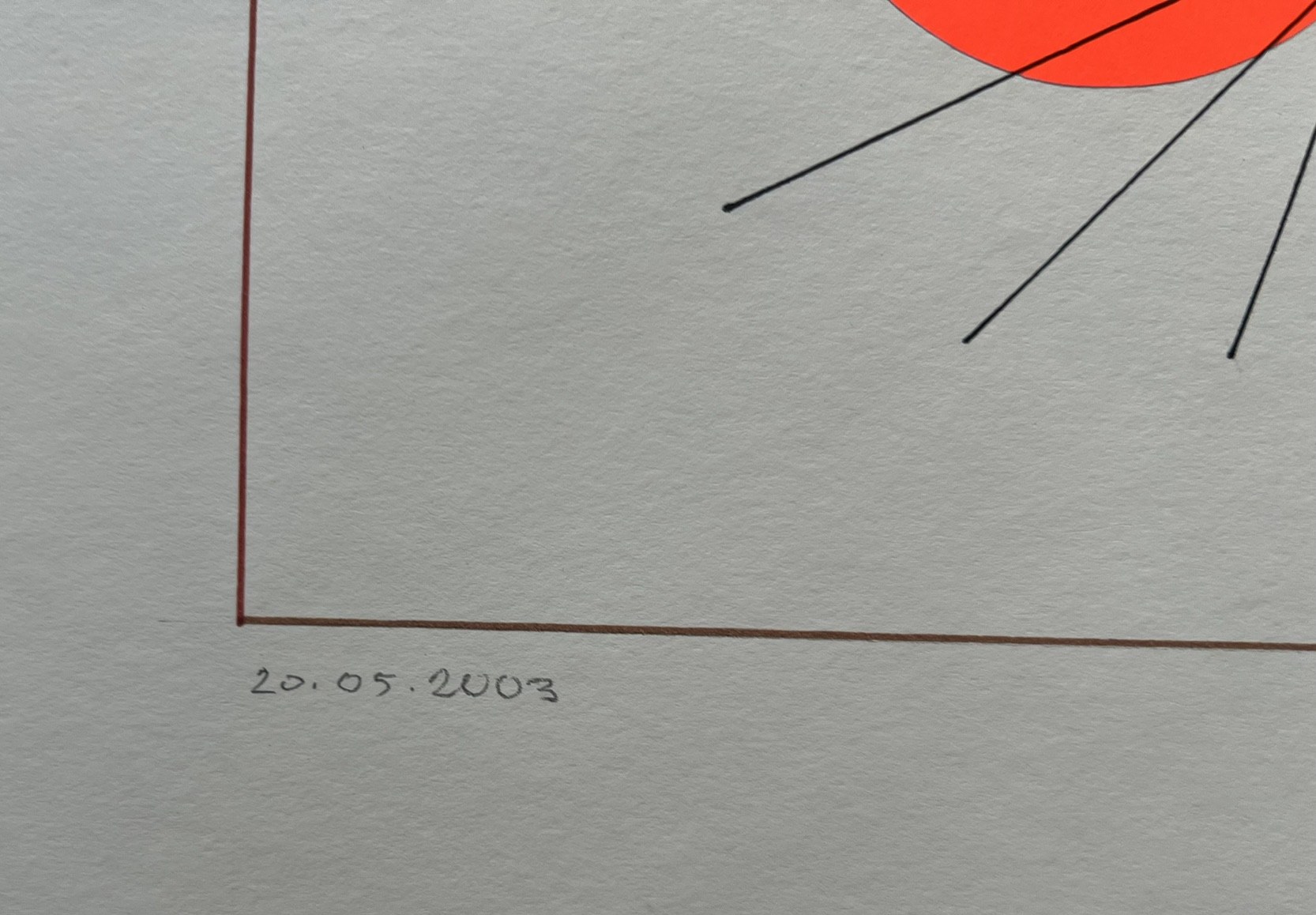
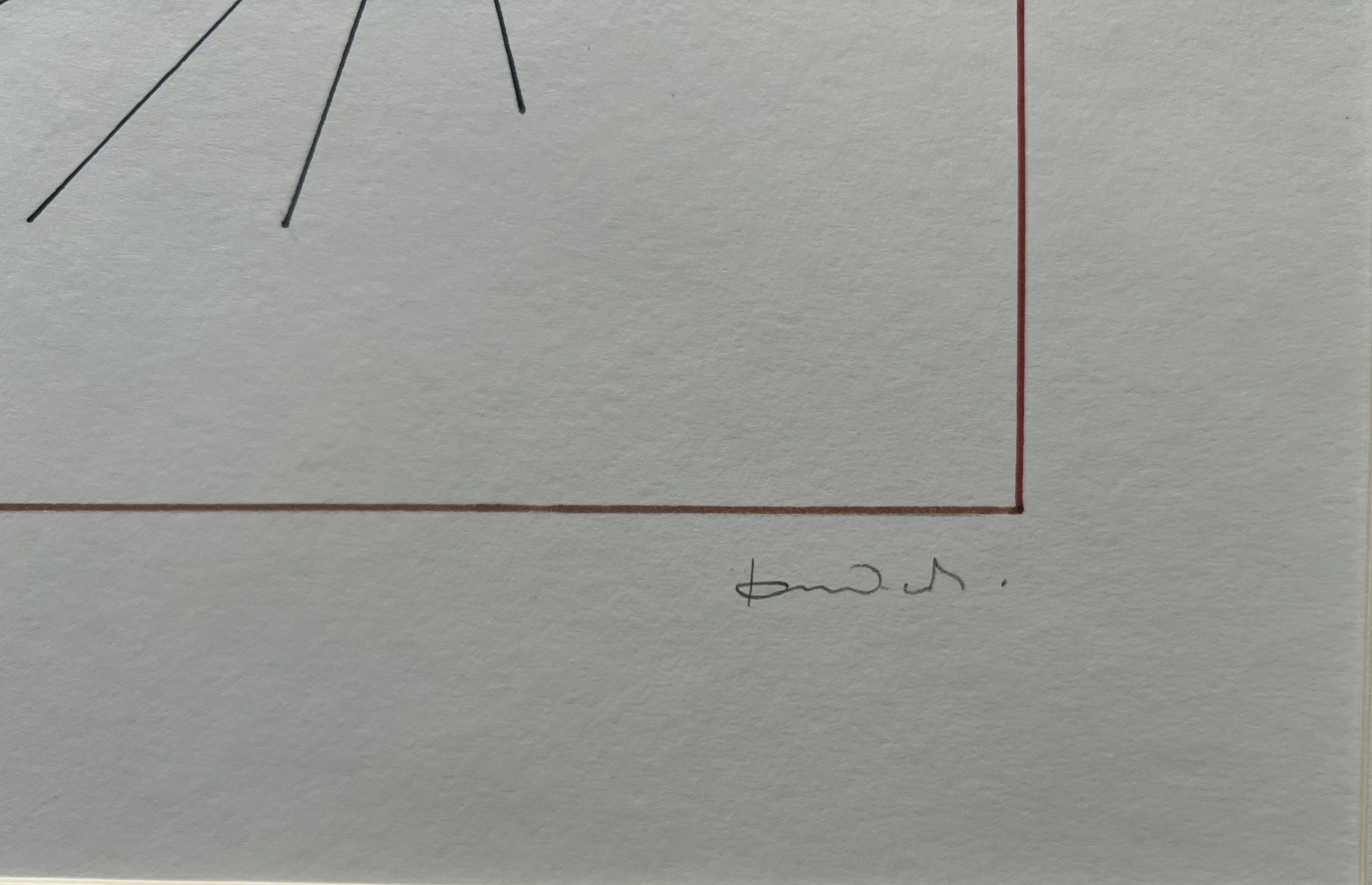
Jan Chwałczyk, untitled, drawing on paper with collage elements, 31x31 cm, 2003











