


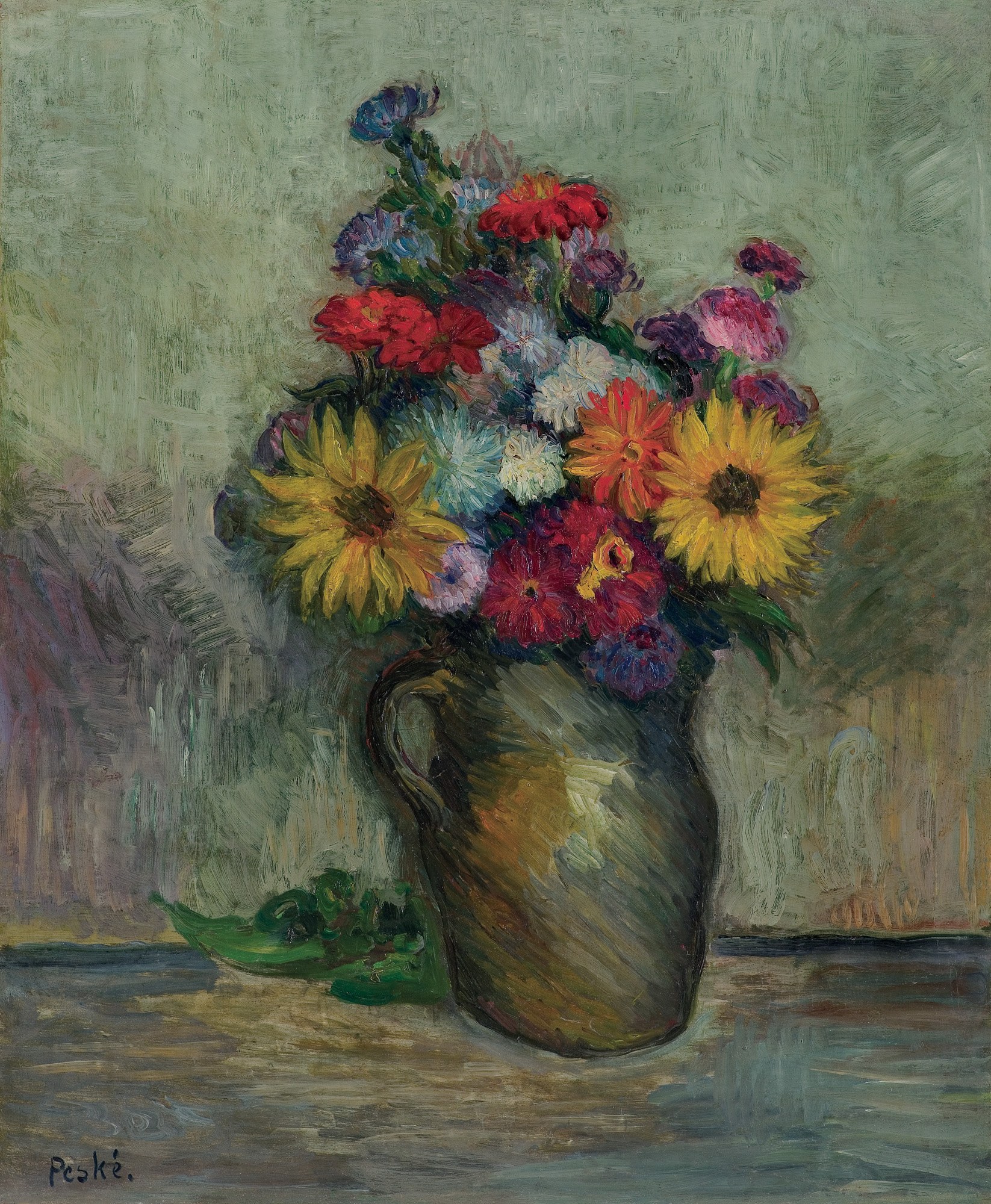
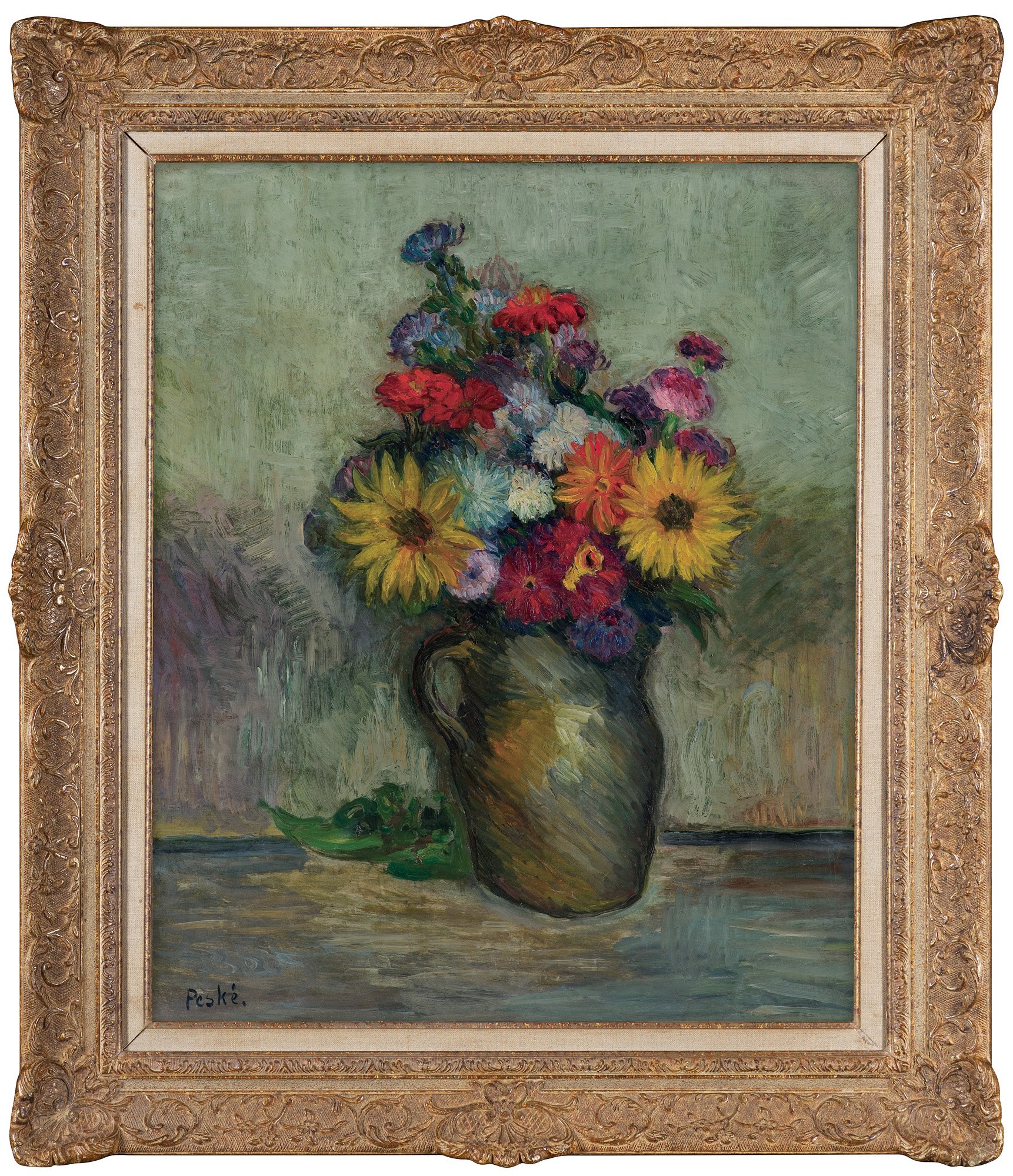
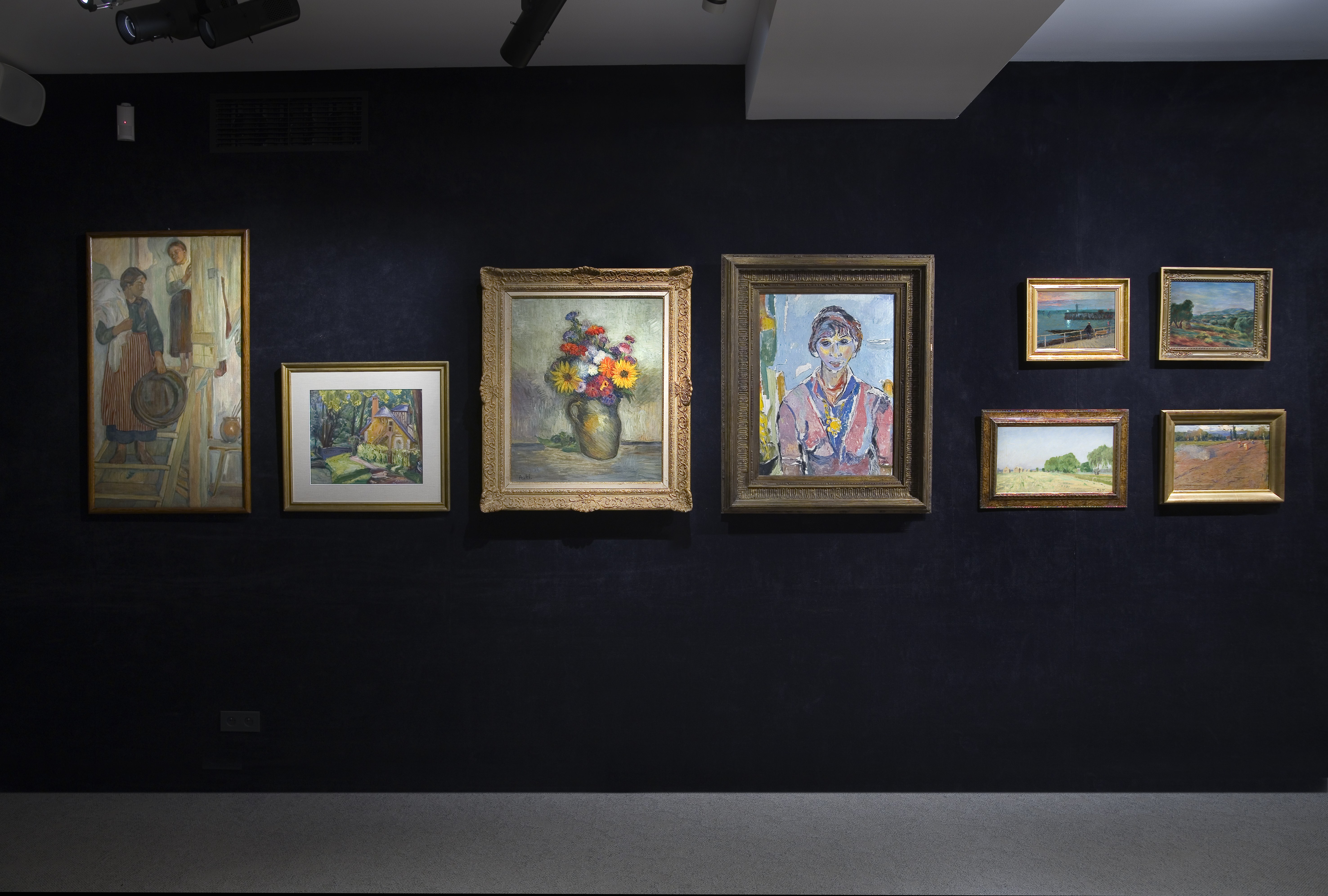
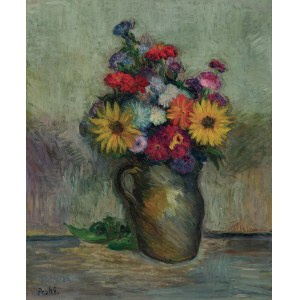
73.2 x 60.2 cm - oil on canvas
signed lower left: Peské.
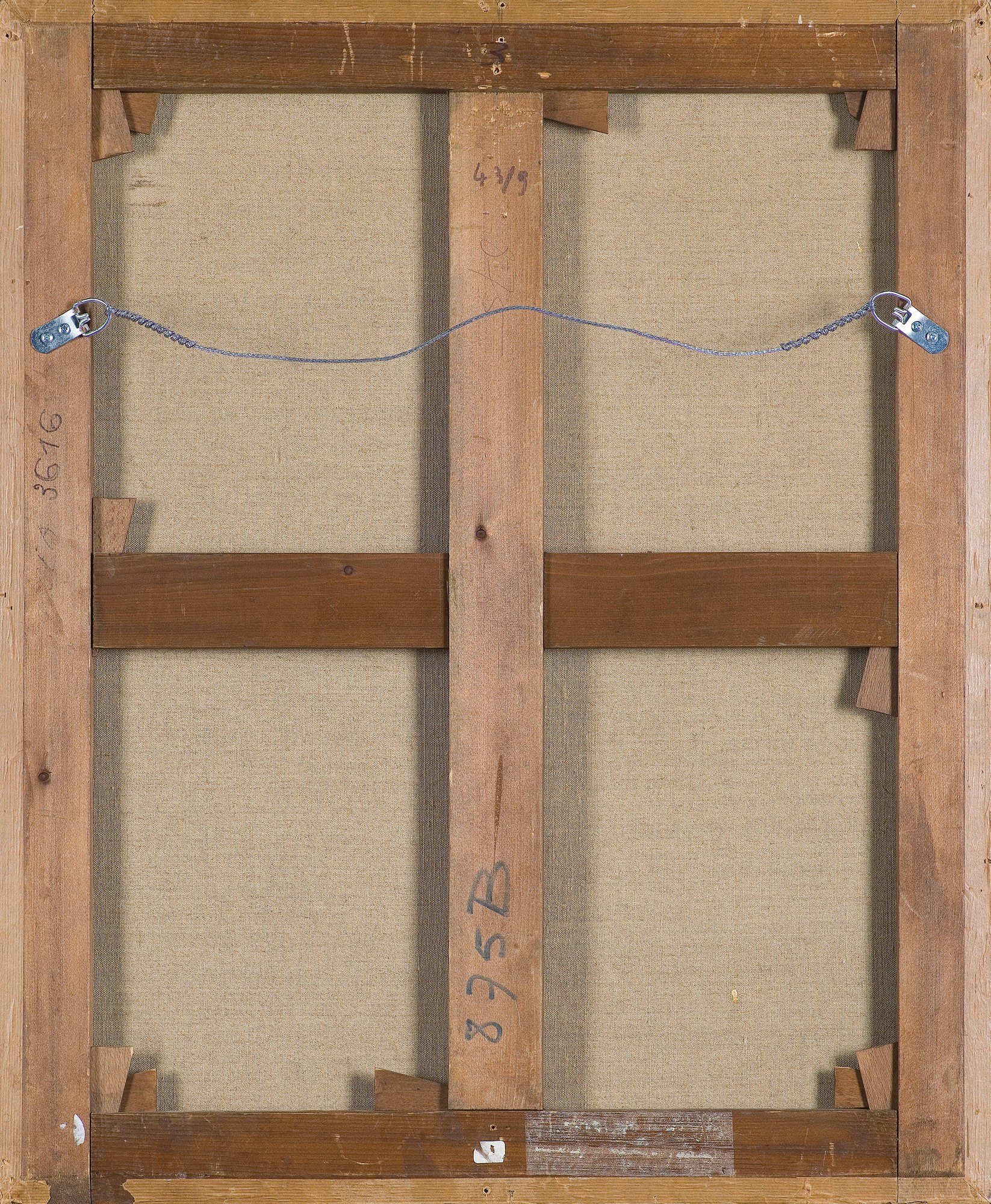
On the reverse, on the crossbar of the stretcher, numbers (in black marker, pencil): 3 | 43/9 | 875 | 875B; additionally, on the left stretcher bar (ballpoint pen, marker): SEA 3616.
Jean Peské (Golta, Ukraine, 1870 – La Mains, 1949) – initially studied at Nikolai Muraschka’s School of Painting in Kyiv, and then, from 1886 to 1889, at the School of Fine Arts in Odessa. In 1890, he became a student of Wojciech Gerson in Warsaw. In 1891, he left for Paris, where he continued his studies at the Académie Julian under the guidance of Jean-Paul Laurens and Benjamin Constant. He settled there permanently, becoming an integral part of the Polish community in Paris —he was in contact with, among others, Maria Skłodowska-Curie and Gabriela Zapolska—and by establishing connections, partly through the latter, with a circle of painters and graphic artists such as Paul Signac, Paul Sérusier, Félix Fénéon, Henri de Toulouse-Lautrec, and Camille Pissarro. Beginning in 1894, he participated in the Salons: the Salon des Indépendants, the Société Nationale des Beaux-Arts, and the Salon des Tuileries; in 1901, he held his first solo exhibition at the offices of *La Revue Blanche*. While actively participating in the artistic life of Paris, he also maintained contacts with his homeland, where he exhibited at the Zachęta in Warsaw (1892) and at the Society of Friends of the Fine Arts in Lviv (1900) and Kraków (1910); he also participated in an exhibition of Polish art at the Grand Palais in Paris in 1921. He worked extensively en plein air in the south of France—in Bormes, where he had a studio until 1926, and in Collioure, where he founded a museum of contemporary French art (now named after him and housing a collection of his works). The artist’s style was shaped by the influence of the Post-Impressionists and the Nabis, as well as Art Nouveau stylization. He frequently explored the theme of motherhood and painted still lifes, genre scenes, and landscapes of southern France.













Vizualizate recent
Loghează-te pentru vedea lista loturilor
Preferate
Loghează-te pentru vedea lista loturilor