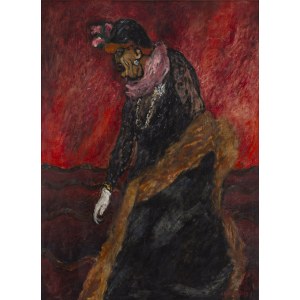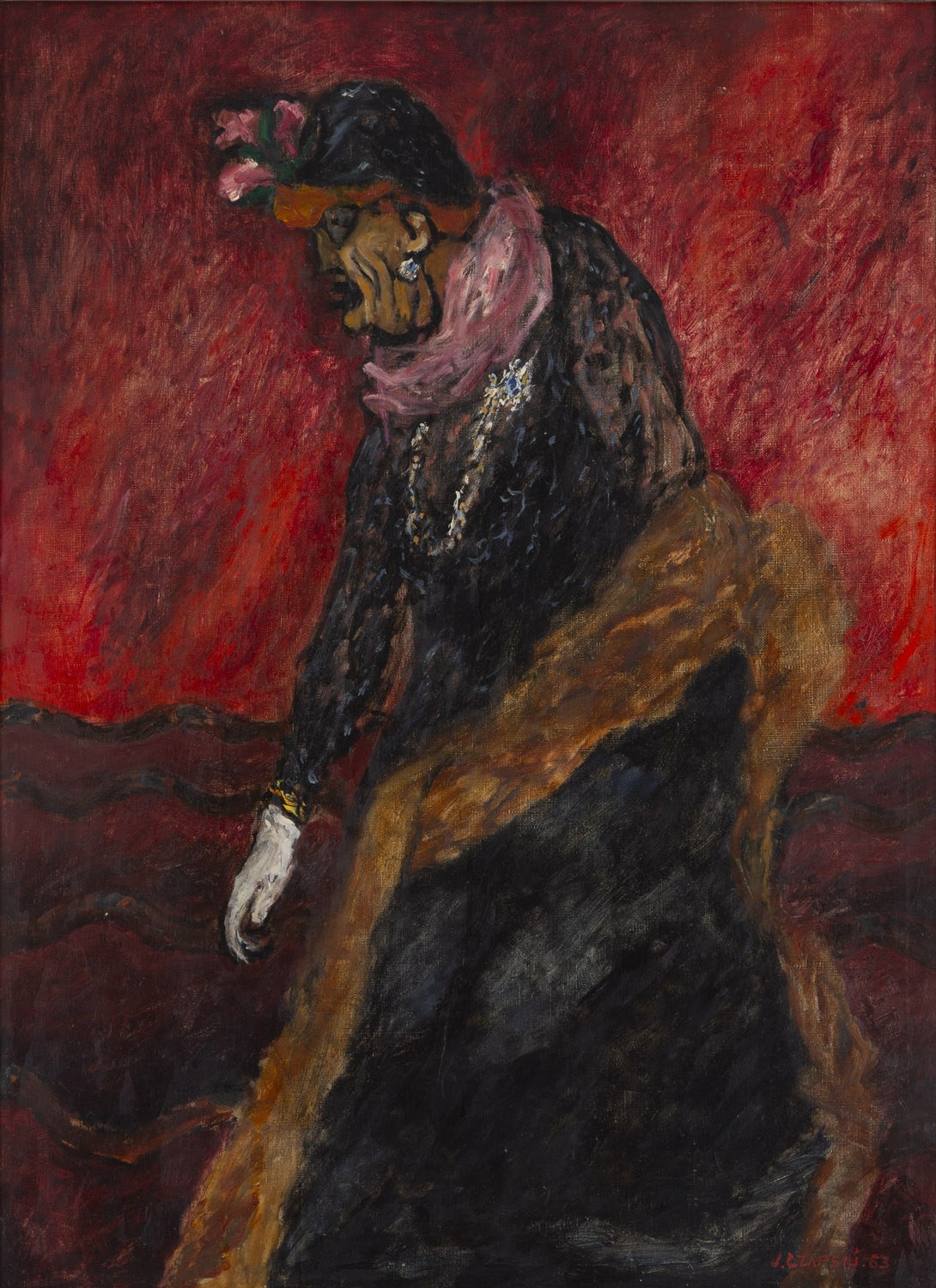
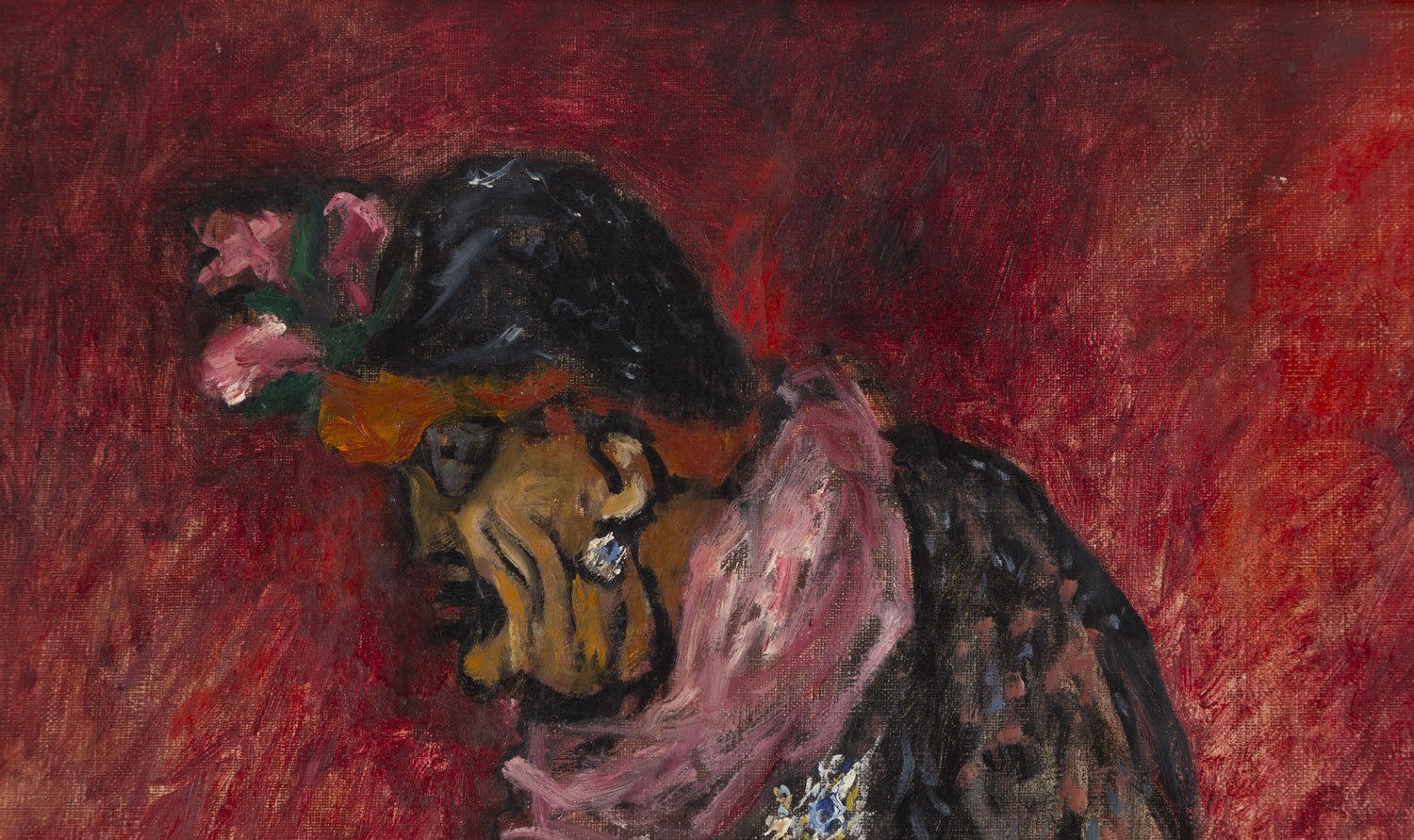
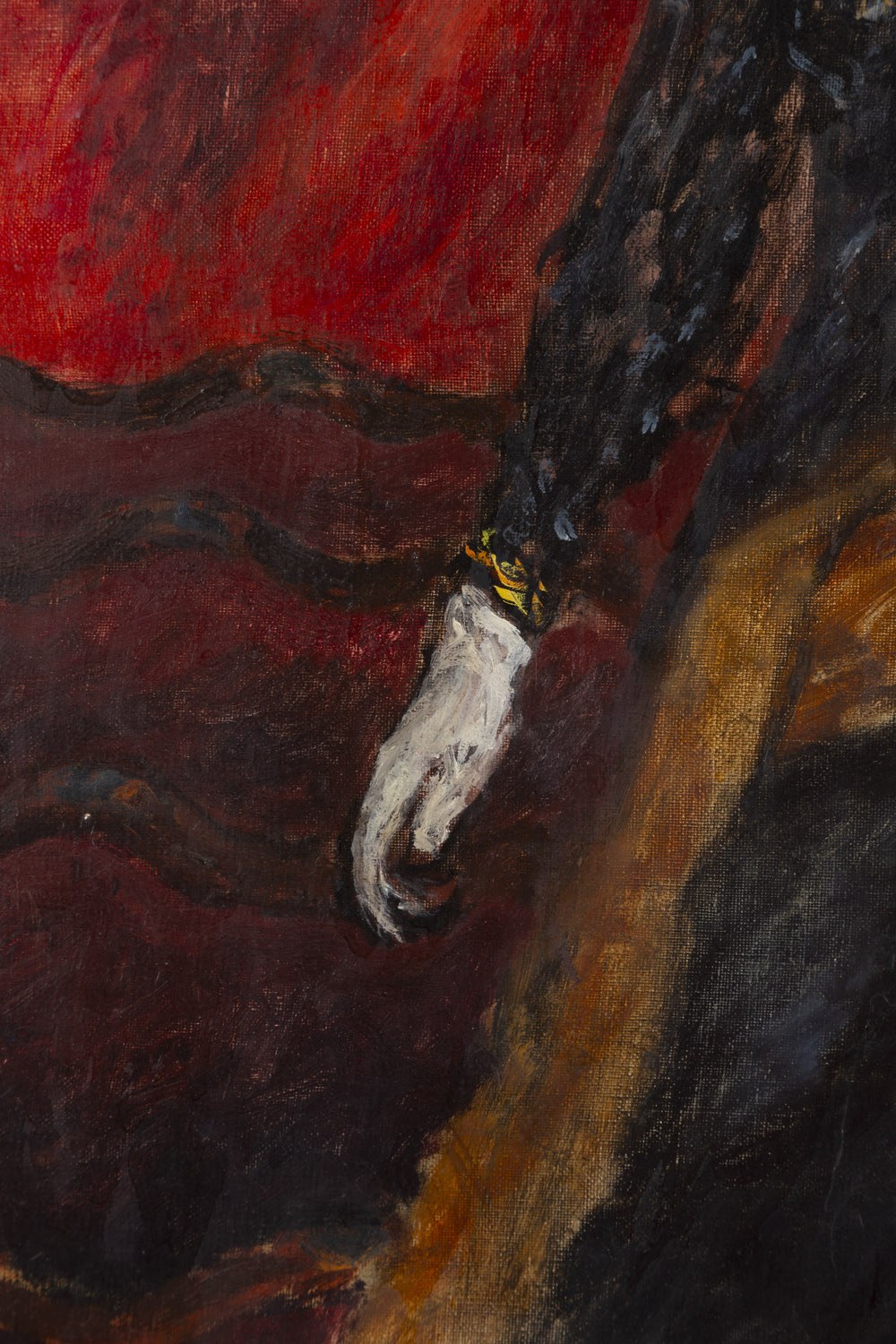
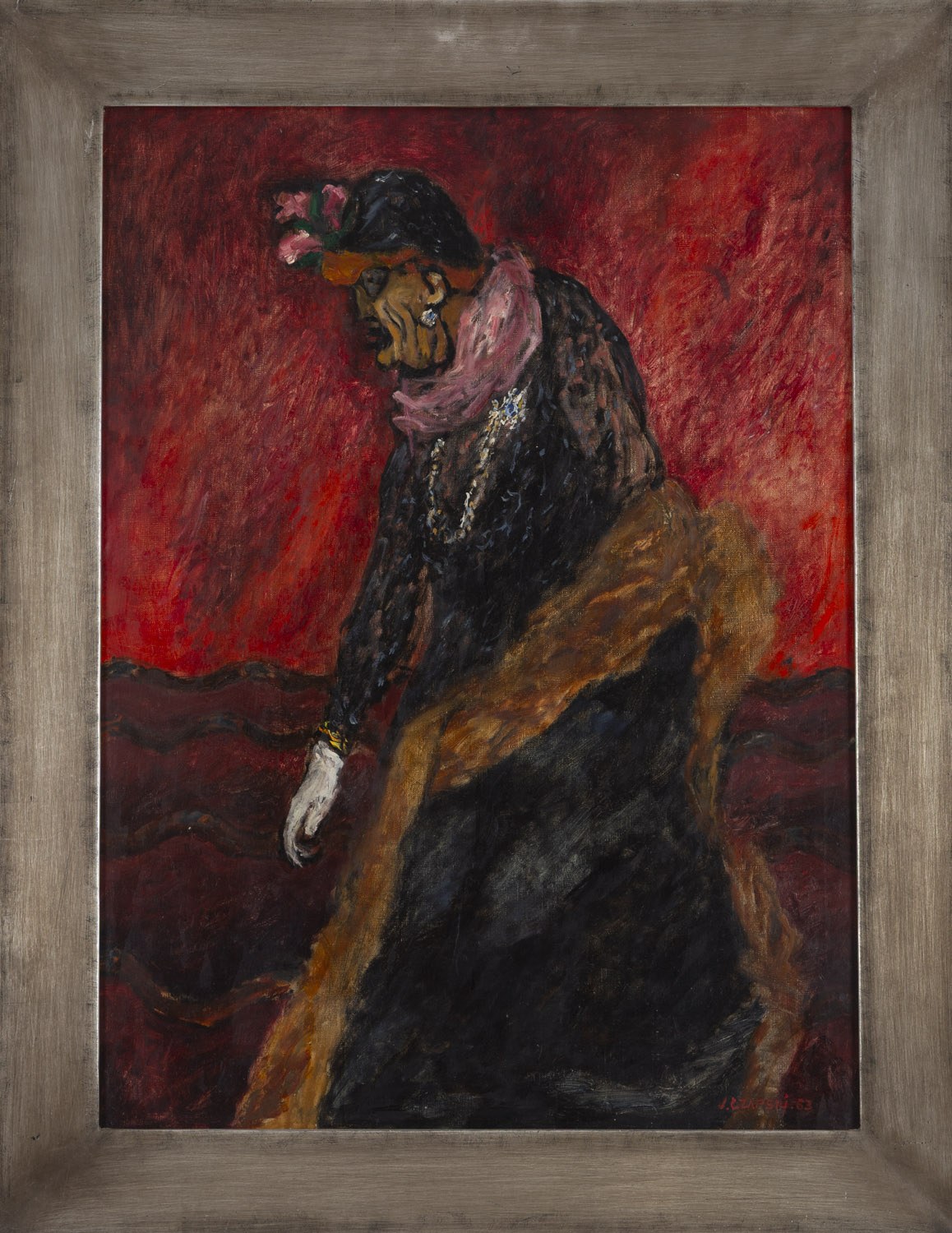
Dimensions: 81 x 60 cm
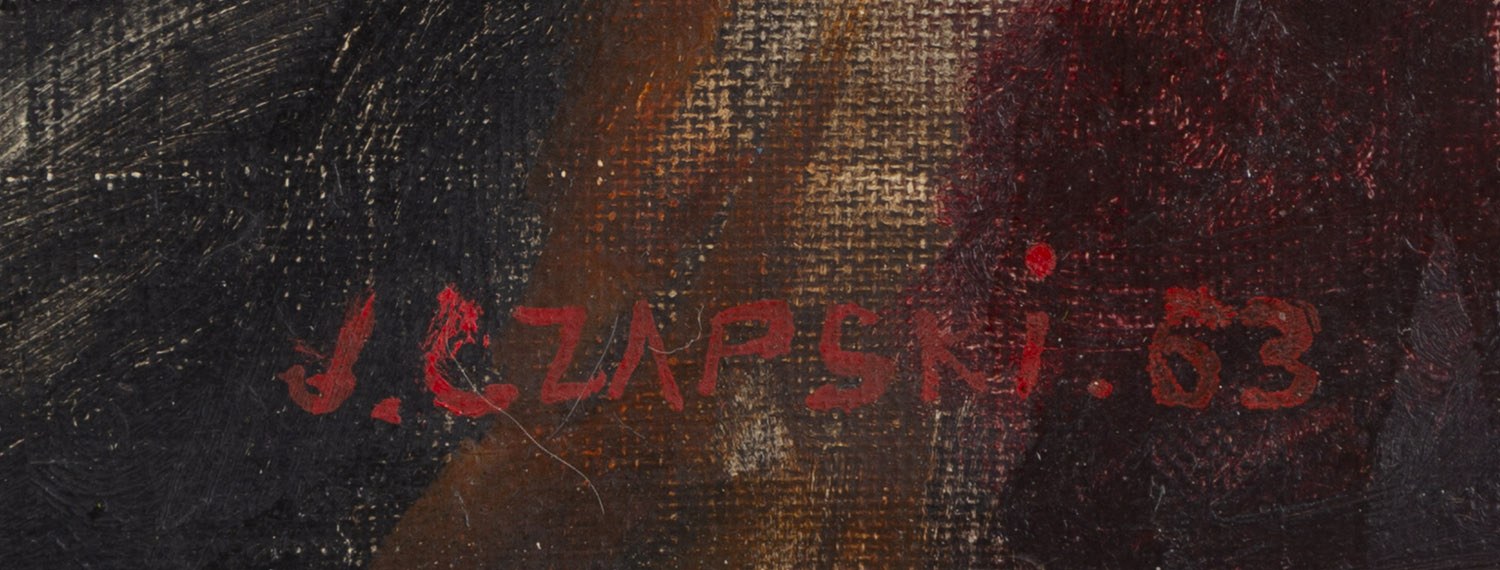
signed and dated p.d.: 'J. CZAPSKI 63'
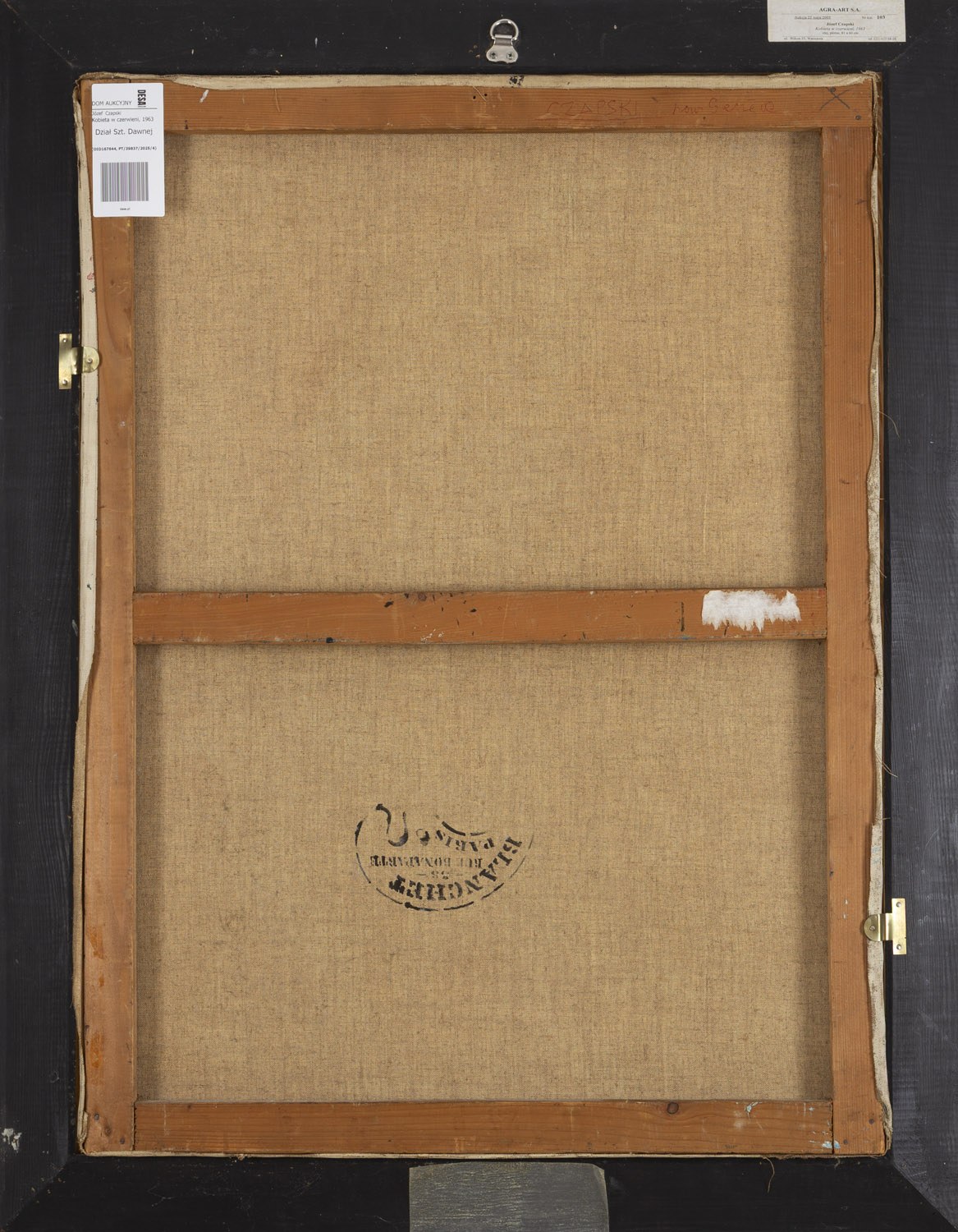
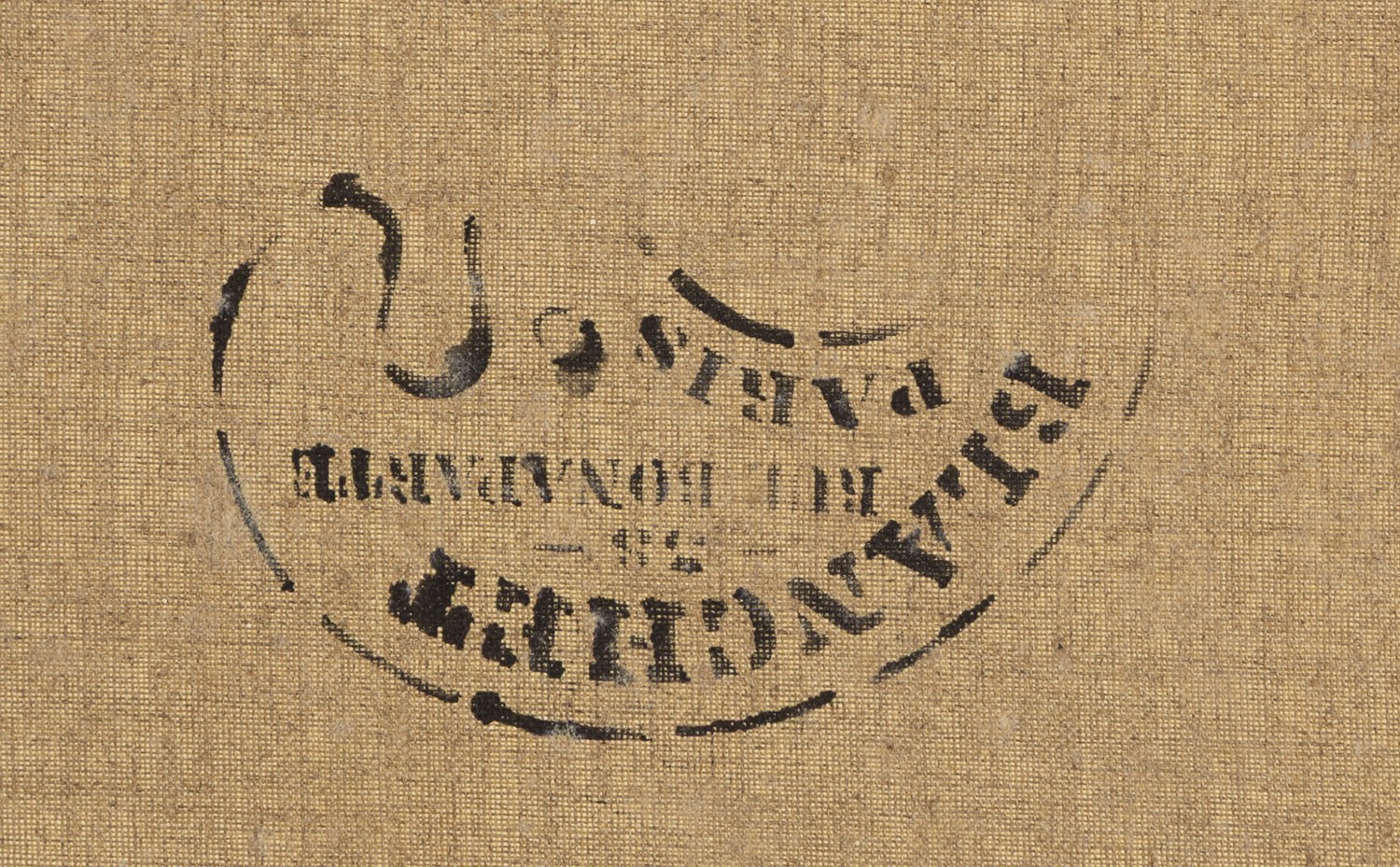
on the back of the canvas a stamp of the Blanchet store of painting accessories in the shape of a painting palette and an auction sticker
Origin
Agra-Art, May 2005
private collection, Poland
Biography
After the war, he took up art studies at the Academy of Fine Arts in Cracow. His teachers included Wojciech Weiss and Jozef Pankiewicz. He was a member of the PARIS COMMITTEE. During this period, his painting was in the orbit of influence of the Kapist aesthetics. In the 1930s he painted still lifes, interiors, portraits and outdoor scenes. Czapski's painting output is very heterogeneous due to his various inspirations. After the war, one of the main motifs of the artist's work was the ordinary, gray man, lonely in the hustle and bustle of the big city. After studying law in St. Petersburg, he studied painting from 1921-24 at the Academy of Fine Arts in Cracow, among others with J. Pankiewicz. In the period 1924-31 he stayed with a group of Capists in Paris. During World War II he was imprisoned in the USSR, from where, as an officer in the army of General W. Anders, he traveled through the Middle East and Italy to France. He painted portraits, interiors, landscapes, city views, flowers, still lifes, scenes from theatrical performances, in which color and light played the most important role. He attached more importance to the construction of the painting than other Capists, striving to capture the subject in a synthetic way and bring out the dramatic expression. After the war, he painted the simplest motifs from everyday life, urban scenes, the human figure against a background of common surroundings, deepening the study of nature, its forms and colors. Before the war, he edited the Voice of the Artists, and after the war he collaborated in Paris with the émigré monthly Kultura. He wrote several books on art. He described his experiences during his stay in the USSR in his book "On Inhuman Earth."